Peter has written 156 articles

Savers Roundup June 2020: where to lock in your money; changes to cash back credit cards; Pace Securities drama

Time value of money

Another round of cuts

In terms of savings account interest rate changes, it had been a relatively slow drop since the last Bank of Canada policy interest rate cut on March 27. However, since June 1st, 10 out of the 17 financial institutions on our comparison chart have decreased their interest rates, including Hubert Financial and Alterna Bank, who have both dropped their rates twice this month, to rest at 1.80% and 1.69% respectively. Oaken Financial’s savings account interest rate decreased from from 2.00% to 1.65%. Only 6 out of the 17 financial institutions we track now have a savings account interest rate of 2.00% or higher.

For the time being, Bridgewater Bank has the top savings account interest rate on our chart at 2.10%, while Motive Financial leads the TFSA rates at 2.05%.

GIC rates have continued to trend lower, with the current leaders being:

  • 1-year GIC at 2.00% at AcceleRate Financial, Achieva Financial, Implicity Financial, MAXA Financial, and Outlook Financial
  • 2-year GIC at 2.10% at Wealth One Bank of Canada
  • 3-year GIC at 2.20% at Wealth One Bank of Canada
  • 4-year GIC at 2.20% at Achieva Financial, Hubert Financial, Peoples Trust, and Wealth One Bank of Canada
  • 5-year GIC at 2.30% at Hubert Financial, Oaken Financial, and Peoples Trust

There are some promotions left

Promotions have been drying up, but there are still some available, including:

We have a page to track all current promotions, including savings accounts, chequing accounts, GICs, and our cash back offers.

Credit card reward program devaluations too!

Recently, some Rogers Mastercard devaluations took effect on June 2. If you use the Rogers Mastercard for purchases in foreign currencies, you might want to review our list of credit cards with no foreign currency exchange transaction fees.

Some changes are coming soon on August 1 to the Canadian Tire Triangle Mastercard: its earn rate on grocery store purchases is going up from 1.00% to 1.50%; but its earn rate on non-Canadian Tire, non-grocery store purchases is going down from 0.80% to 0.50%.

Interesting forum threads to catch up on

How to save money when visiting the USA: a seasoned traveller’s pro tips

US dollars on a map

As per the World Tourism organization, Canadians rank 7th worldwide when it comes to spending on travelling. Canadians spend around 1,000 USD per capita on international travel every year. The most favourite destination for Canadians is our southern neighbour: The United States of America.

Every year, around 20 million Canadians travel to the US. I’ve travelled to the U.S from Canada dozens of times. Each time I go I find new ways to save money. If you are looking for ways to stretch a dollar while visiting the US, keep reading. We are going to discuss several ways to do that.

1. Credit cards with no forex fees

No matter how economically you travel, travelling is expensive, even if it is just across the border.
Forex fees are in my opinion one of the biggest “hidden” costs that credit card companies have. Although you can see the fees on your statements if you look closely, I like to say that the forex fees are hidden because many people are not even aware that it exists.

If you’re not aware, most Canadian credit cards charge at least a 2.5% foreign exchange fee for every purchase you make in the U.S, which can add up over your trip.

Whether you are shopping at local stores or trying out local cuisines, you should swipe a card that doesn’t charge foreign currency exchange transaction fees.

Check out these credit cards with no forex fees, especially if your stay spans more than a week.

2. Find alternatives to withdrawing cash or using debit cards

Withdrawing cash from ATMs and using traditional debit cards in a foreign land can also cost you a lot in service charges that won’t add any value to your trip. So, how about having an alternative to that?

Online-only banking has become all the rage in the last couple of years. You can also hop on the bandwagon to save money while visiting the US. You can try EQ Bank as an alternative to your conventional banking cards. It is entirely free to open an account in EQ, which is an online-only bank with no hidden terms and conditions.

EQ Bank has partnered with TransferWise, and you are able to send money to an American account at a much better exchange rate than withdrawing cash at a regular ATM. If you have a trusted friend or relative with a U.S bank account that you will be meeting up while you’re down there, consider using this service to get a cheaper way of withdrawing your cash.

3. Make calls to home the new way

Gone are the days when you would use an expensive landline to call home from other countries. Similarly, the days of international mobile calls also seem behind us, thanks to fast-speed mobile internet. If you are determined to save every single cent while visiting the US, avoid buying international roaming plans.

Instead, make voice and video calls through WhatsApp or Facebook Messenger, and other chat apps while using Wi-Fi internet and data plans. It will certainly cost you less than international roaming charges, especially if you are staying for longer and making lots of calls back home.

There is a free to download phone app called TextNow that I use while on my travels. It lets you have a free Canadian or American phone number that works over Wi-Fi. I’ve used it in my travels around the world with no problems.

4. Use red-eye flights

If your US visit doesn’t involve tightly scheduled work meetings or other emergencies, you should consider flying red-eye. These flights have obscure flight times that are less in demand. They usually take off and land in a 9:00 pm-6:00 am window.

If you are having a lot of interstate travelling in the US, red-eye flights can save hundreds of dollars on your entire trip.

5. Ditch expensive hotel rooms

Airbnb has become the torchbearer of economical travelling in the last couple of years. It has been estimated that renting out an entire apartment on Airbnb is 21% cheaper than booking a single hotel room. If you haven’t used it so far, give it a try on your upcoming US trip.

But if you are a conventionalist and want to stick to a hotel room (or need what are often more flexible cancellation policies), ask yourself these questions before booking one.

  • Do you need a room with a good view?
  • Do you need that extra lounge space?
  • Are you going to use the fitness room, pool, and other premium amenities?

If your visit involves a lot of sightseeing and other outdoor activities, you will only use your hotel room to sleep. So, look for the cheapest rooms that may not offer those superfluous features and amenities but can provide respite by saving you some money.

Tips to save for long-term stays

If your US visit consists of a couple of weeks or longer, you have to consider some other factors. Here is the list of things that you should do before and while on your long-term stay in the states.

1. Know your financial risks in advance

Before finalizing your trip and flying off, take a look at your financial well-being. See how much you have in savings. Take a look at your credit. Make sure that your current financial state allows you to stay for long. Even if it is a work-related trip, you must know your financial vulnerabilities and strengths in advance. Having this information will help you prevent any unpleasant scenario from springing up in the middle of the visit.

2. Track your spending

Money-tracking is crucial when you visit a foreign country; however, it is easier said than done when your visit is longer than a couple of days. On long-term visits, people remain diligent about their money-spending in the beginning. However, when days turn into weeks, they lose track.

You can get around this issue by using a money-tracking app. These apps are your virtual assistant in budgeting, money management, and tracking spending. By using a money-tracking app the right way, you can save hundreds of dollars on a long-term stay.

3. Stay in the peripheral

Staying even at a cheap place in the middle of the city can cost you a fortune when you check-in for weeks. Try to find an accommodation in the peripheral of the city you visit. You can find apartments and rooms on Airbnb in the suburbs of your destination cities.

4. Start cooking

Eating out for, say, 25 days is neither good for your stomach nor your wallet. Make sure your lodging has a kitchen with a cooking space where you can cook some of your meals. You can cut down your dining cost more than half by doing that.

Conclusion

Using the tips discussed here, you can save hundreds of dollars or even more on a long trip to the US. You can also read up on other ways you can save money in Canada. The great thing about these measures is that they let you save money without making any compromise on the overall experience of travelling.

Author Bio – Christopher Liew is the creator of Wealthawesome.com, where he shares money tips and guides for his readers. He’s a CFA Charterholder who has been featured on Yahoo Finance, MSN Money, and The Motley Fool. Read about how he quit his 6-figure job to travel the world.


Savers Roundup May 2020: a minimum 2.00% return is what you should be getting

May flowers

The slow but steady downward march for interest rates

Relative to previous months, it’s been quiet for savings account interest rate changes lately. Over the past month, we’ve seen savings account interest rate decreases at Alterna Savings, Ideal Savings, Motive Financial, motusbank, and Wealth One Bank of Canada. There was even an increase in rates at Canadian Tire Bank.

Our comparison chart still has 13 out of 17 financial institutions with rates of 2.00% or more.

Frequent GIC rate leader Oaken Financial decreased its GIC rates several times over the past few weeks. In general, the spreads between a given financial institution’s 1-year and 5-year GIC rates have been getting smaller. The current top rate on our GIC comparison chart for a 1-year term is 2.15% at Hubert Financial, and the 5-year term leaders are Peoples Trust and Oaken Financial, both at 2.40%.

Luminus Financial actually has better GIC rates across the board than any other bank on our chart, but be sure to review their fees, which are reportedly higher than others.

Promotions to get you through the next few months

If you don’t mind moving your money around, you might find these short-term promotions tempting:

More news: your taxes are almost due; coming soon for Hubert Financial; a caution on Credit Verify

Credit Verify review: beware of misleading claims and automatic charges

Credit score metre

Credit Verify offers a free Canadian credit score and a $1 credit report. We do not recommend using them.

Automatic monthly charges

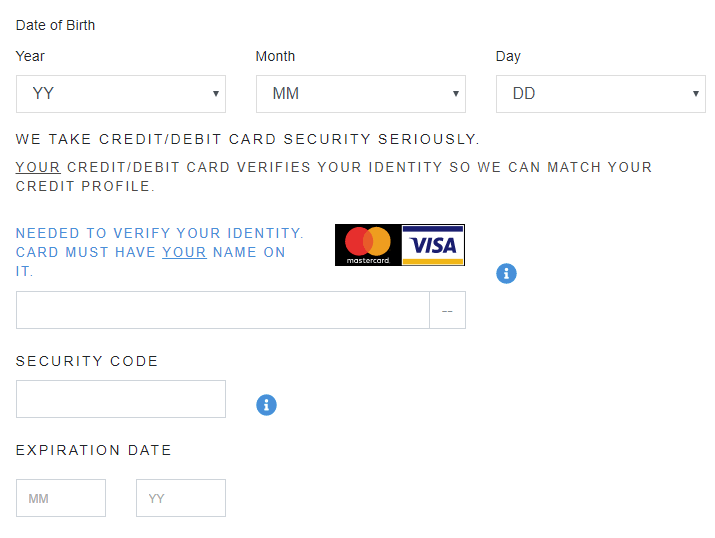
During the sign-up process, Credit Verify will ask you for your credit card, noting that it is required in order to verify your identity:

Credit Verify: you must supply your credit card to sign up

The main reason for Credit Verify to get your credit card is in order to charge your credit card a monthly fee (currently $29.95) after 7 days. Compare this against similar Canadian services such as Borrowell, which do not require you to supply your credit card information. You cannot cancel your Credit Verify account online or via email.

You will find a “Cancel” button in the online interface, but it will only lead to a message telling you to send a snail mail or to call them. Their mailing address was previously a US virtual mail service in California, and is now a co-working space in Squamish, BC. If you call their number to cancel, you will be subject to a hold that could be somewhere between 20 minutes and a few hours. You will then be subject to a spiel on the merits of the service, including the ability to correct errors in your credit report, and the reward that they give you each month. However, you will be able to cancel your account.

Credit Verify will not refund a charge they have already made on your credit card.

$25 “reward” each month

Credit Verify advertises the following as a feature of your account:

“You’ll receive $25 in Reward Dollars EACH month you’re a Credit Verify Premium member. Use your rewards however you’d like. Save on popular brands like Kate Spade, Michael Kors, Nike, Lacoste, or Under Armour. Get access to great local deals at the salon, dry-cleaning, car washes, movie tickets or golfing. Or you can save at popular restaurants like TGI Friday’s, Dunkin’ Donuts, McDonald’s, Subway and thousands more.”

The monthly $25 reward they promote is no better than coupons you might get for free in the mail.

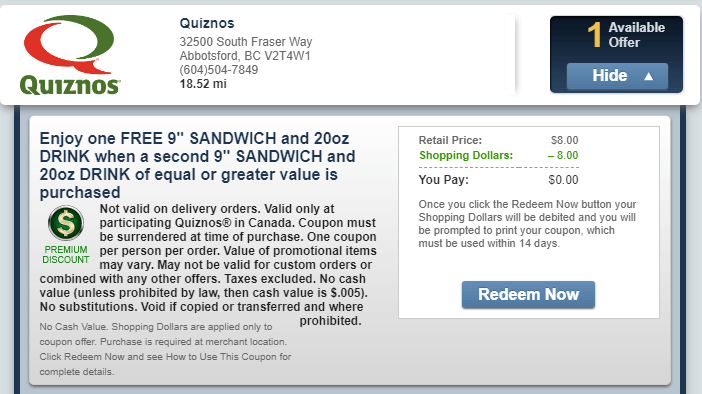
Credit Verify free drink coupon

For example, buy a sandwich and drink and get another sandwich and drink free. Or, get a free drink if you purchase a burger, except you had to use your reward to get the coupon in the first place — and you still have to purchase the burger. We tested some hotel bookings through their travel discounts area, and found their prices to be more expensive than booking through the hotel’s own website.

Professional web presence?

Credit Verify is owned by a US company Credique LLC, whose mailing address is the same virtual mail service that used to be posted on Credit Verify’s website.

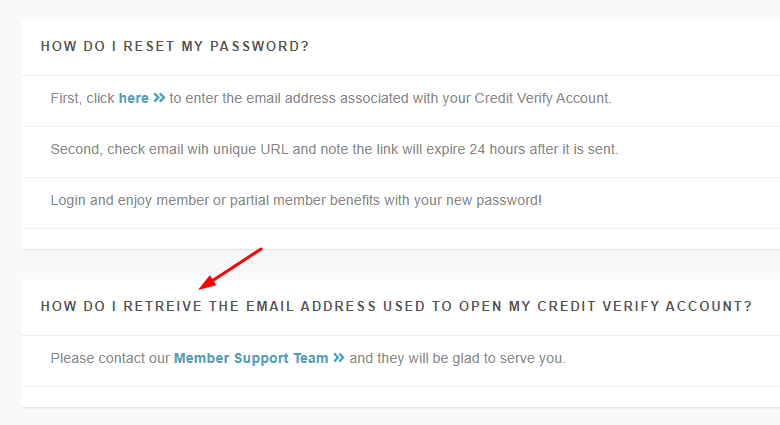
There are several typos on Credit Verify’s website, which have been there for months:

Credit Verify: typo for the word 'retrieve'

Credit Verify: typo for the word 'restaurant'

It is also telling that the social media icons in the footer of their website do not have links attached to them.

Other reviews

Be careful if you read a positive review of Credit Verify — scrutinize whether you can tell if the reviewer has actually used the service or is an affiliate of the service (and thus has affiliate links in their review).

Here are some links to other reviews of Credit Verify:

Savers Roundup April 2020: some rates are up in this uncertain economy

Savings account interest rates vs Bank of Canada key interest rate: Nov 16, 2010 through April 16, 2020

Savings account interest rates are still holding up

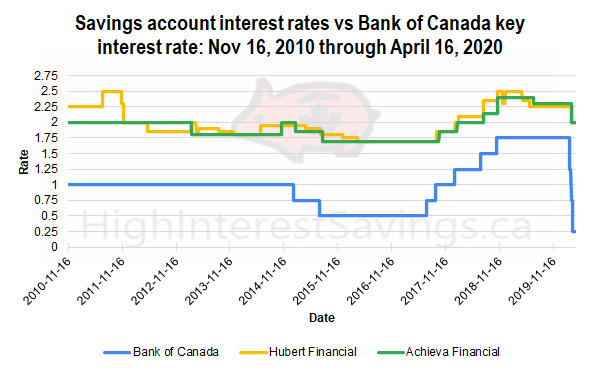
After decreasing the key interest rate by 1.00% in the first 2 weeks of March, the Bank of Canada lowered it one more time by 0.50% to rest at 0.25%, where it has stayed through the April 15 scheduled rate announcement. Although we have seen related decreases to high interest savings account rates across our comparison chart, financial institutions have not yet passed on the full rate decrease via the savings accounts, at least not yet. See this graph tracking the key interest rate against 2 of the more consistent financial institutions for savers over the past 9.5 years (Hubert Financial and Achieva Financial), and how the gap has widened:

Savings account interest rates vs Bank of Canada key interest rate: Nov 16, 2010 through April 16, 2020

Last month, we were musing that we would be lucky to make it out of March with a 2.00% savings account, but 15 of 17 financial institutions on our chart currently have regular savings account interest rates of at least 2.00%. LBC Digital leads the pack at 2.25%, while Motive Financial has the highest TFSA rate at 2.20%. Peoples Trust has even increased its regular savings account and TFSA interest rates from 1.80% to 2.00%, reversing an equivalent decrease from March 6.

Some GIC rates actually increased, if only temporarily

Although GIC rates have generally dropped, several financial institutions increased their rates last month.

Tangerine Bank provided some shocking GIC rate increases by as much as 1.70%, with their 5-year GIC peaking at 3.20%, only to drop back to the middle of the pack a week later.

Oaken Financial had increased most of its GIC rates for about 1 month before decreasing them a bit, settling for what are currently the highest rates on our GIC comparison chart, with a 1-year GIC at 2.50% and 2- through 5-year GICs all at 2.65%. Remember that you can see a financial institution’s GIC rate history by clicking on the links in the “Updated” column on our chart. [Oaken Financial announced GIC rate decreases, effective 5 days after this article was published.]

If you’re looking at the short term, there are at least 2 current 2.45% 90-day GIC offers, from EQ Bank and Oaken Financial. [EQ Bank’s 90-day GIC rate dropped to 2.15% one day after this article was published.]

BC-only credit union Vancity has a promo for a 1-year 3.00% GIC. [Vancity ended this promo one day after this article was published.]

New deposit promos

If you have a Tangerine Bank account, check the online interface to see whether you have the latest 2.80% new deposit promo, which started April 3. They are offering the same 2.80% savings account interest rate for the first 5 months to new clients.

DUCA Credit Union (Ontario only) has a promo offer of 2.50% on new deposits to an Earn More Savings Account between April 2, 2020 and March 31, 2021. They also have a 1-year 2.75% GIC available until June 30, 2020 for customers who currently have funds in an Earn More WINTER Promo Savings Account.

As always, we have a dedicated page to track all known promotions.

Good news amidst the pandemic